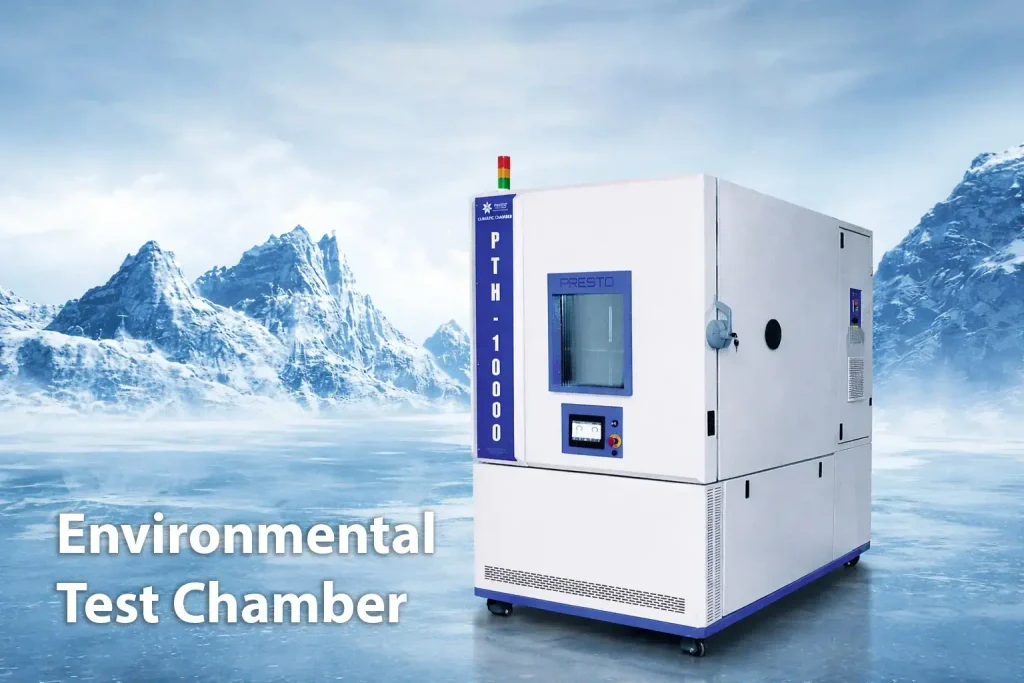
When designing electrical components and consumer devices, ensuring product reliability under extreme conditions is non-negotiable. Electronic assemblies, circuit boards, and battery packs must endure severe thermal swings without failure. An environmental temperature chamber plays a critical role in evaluating how components react to freezing lows, high humidity, and scorching heat. Conducting rigorous thermal stress testing helps manufacturers identify structural weaknesses, electrical drift, and material degradation before products hit the market.
Selecting the right test equipment partner directly impacts your laboratory’s accuracy, compliance, and long-term operating costs. In this guide, we explore the primary considerations when evaluating an environmental temperature test chamber, examine market price expectations, and highlight leading manufacturers in the electrical testing domain.
Why Electrical Testing Requires Precise Environmental Control
Electrical components are notoriously sensitive to ambient thermal fluctuations. As temperatures rise or drop rapidly, materials expand and contract at varying rates, causing mechanical strain on solder joints, semiconductor packaging, and delicate internal connections. Furthermore, operating at elevated temperatures accelerates electrical degradation, dielectric breakdown, and component overheating.
By subjecting electronic units to standardized thermal cycles, engineers can trigger latent defects early in the design cycle. Key objectives of thermal chamber testing include:
- Thermal Stress Screening (ESS): Uncovering early life failures in electronic sub-assemblies.
- Insulation & Dielectric Reliability: Testing how high temperatures alter protective material resistance.
- Battery Performance Evaluation: Observing lithium-ion cell stability across wide temperature windows.
- Regulatory Compliance: Meeting international standards such as IEC 60068, MIL-STD-810, and ISO 16750.
Top Environmental Temperature Chamber Manufacturers
When sourcing high-precision testing instruments for electrical hardware, these leading manufacturers deliver industry-proven reliability and advanced engineering:
1. Presto Enviro
Presto Enviro is recognized for delivering durable, cost-effective, and highly precise environmental testing equipment tailored for industrial electronics, automotive parts, and quality control labs. Their environmental temperature chamber solutions feature advanced PID controllers, robust insulation, and high-efficiency air circulation systems designed to maintain strict temperature uniformity. Presto Enviro balances competitive temperature chamber price points with robust build quality, making them a top choice for manufacturers seeking dependable performance.
2. ESPEC Corporation
As a global leader in environmental simulation, ESPEC offers an extensive lineup of reach-in and benchtop chambers designed specifically for electronic hardware validation. Their chambers are praised for energy-efficient operation and long-term durability in high-demand research labs.
3. Cincinnati Sub-Zero (CSZ)
CSZ specializes in temperature and humidity testing chambers capable of handling severe thermal stress. Their custom-engineered solutions cater heavily to aerospace, defense, and power electronics manufacturers requiring compliance with rigorous military standards.
4. Weiss Technik
Weiss Technik provides innovative environmental simulation systems equipped with sophisticated software interfaces. Their chambers excel in precise climate simulation, high safety features for battery testing, and excellent thermal stability.
Key Factors When Choosing a Temperature Chamber Manufacturer
Investing in a climate testing chamber requires careful analysis of technical specifications to align with your facility’s operational demands. Below are critical factors to assess before selecting a vendor:
1. Temperature Range and Ramp Rates
Standard chambers typically cover ranges from -40°C to +150°C, while ultra-low temperature models can drop down to -70°C or below using liquid nitrogen or cascade refrigeration. Pay attention to the ramp rate (e.g., 3°C/min vs 15°C/min); faster transitions allow for thermal shock evaluation and rapid throughput.
2. Workspace Capacity and Uniformity
Chamber volume must accommodate your test samples without blocking internal airflow. Uniform temperature distribution throughout the workspace ensures consistent test conditions for every component inside.
3. Controller Capability and Data Logging
Modern electrical testing demands robust digital controllers with intuitive touchscreens, programmable profiles, remote monitoring via Ethernet, and seamless automated data export for auditing.
Understand Temperature Chamber Price Dynamics
The temperature chamber price varies significantly depending on physical dimensions, performance capabilities, and custom options. Understanding these pricing tiers helps organizations allocate capital budgets effectively:
- Benchtop Models ($5,000 – $15,000): Compact units ideal for small electrical components, sensors, and basic R&D tasks.
- Standard Reach-In Chambers ($15,000 – $45,000): Mid-sized systems designed for complete circuit boards, power supplies, and industrial modules with moderate ramp rates.
- High-Performance & Fast-Ramp Chambers ($45,000 – $90,000+): Advanced units engineered for stress screening, rapid heat dissipation, and severe thermal cycling.
- Custom Walk-In Rooms ($100,000+): Modular enclosures constructed for full vehicles, heavy industrial transformers, or mass batch testing.
Conclusion
Investing in a high-grade environmental temperature test chamber is essential for identifying potential component flaws, verifying product specifications, and safeguarding brand reputation. By evaluating parameters like workspace size, ramp speed, controller automation, and overall budget, electronics manufacturers can partner with leading suppliers like Presto Enviro to establish an efficient, compliant, and reliable testing process.